
Neurodivergent-affirming trauma therapy in Colorado
For autistic, ADHD, and AuDHD adults who know their brain is wired differently and suspect that isn’t the whole story. In person in Denver or online anywhere in Colorado.
When the label fits and some things still don’t make sense
For a lot of people, finding the words autistic or ADHD rearranges difficulties into something that finally makes sense. Sometimes, though, a few things still don’t add up: relationships that leave you depleted, a harsh inner voice, an anxiety that runs deeper than sensory overload or negative feedback after a missed deadline would explain. Plenty of neurodivergent people have had every hard thing waved off as part of their wiring, so the trauma sitting alongside it never got tended to. That’s the part we can turn toward together.
Where neurodivergence and trauma meet
Growing up neurodivergent often means years of being corrected, misunderstood, or told to just try harder at things your brain was never wired to do easily. Many people were bullied or left out, and learned early that simply being themselves made others around them uncomfortable. Research suggests neurodivergent people are more likely to carry this kind of history, and it can leave the same marks as other relational trauma.
Some of what follows can be hard to untangle, because the two can look alike from the outside and feel alike from the inside:
Masking, and the people-pleasing and fawning that follow relational trauma
Rejection sensitivity, and the old attachment wounds that make rejection feel like danger
Emotional overwhelm, and a nervous system that learned to stay on alert and now doesn’t switch off
Perfectionism and burnout, and a learned habit of earning safety by never allowing yourself to mess up
We don’t need to sort every piece into one column or the other. Looking at your history through both lenses tends to show what still needs care. There’s no reason to over-complicate what’s already difficult.
If you found out later in life
Learning you’re neurodivergent as an adult can bring relief and grief in the same week. You may find yourself rereading your childhood, your school years, and your past relationships, and noticing how much effort went into passing as someone you weren’t. That rereading is a meaningful part of the work. We can make room for what it stirs up, and for the parts of you that held everything together for so long without knowing why it was so hard.
Therapy shaped around how you process
I use EMDR and Internal Family Systems (IFS), and both fit well with neurodivergent minds. EMDR doesn’t depend on putting everything into words, which helps when your feelings arrive before your language for them does. IFS gives the masked, managing, and exhausted parts of you a real voice, and a way to work with them without pushing any of them aside. We’ll go at a pace that suits your nervous system, and I’ll be direct about what we’re doing and why. You’re welcome to move, fidget, or stim, and to tell me what makes a session easier, whether that’s more structure, more breaks, or fewer questions at once.
Neurodivergent, queer, trans, poly
Neurodivergence and gender and relationship diversity often travel together, and many of the people I work with are some combination of these. You won’t need to explain any of it before we can get to the work, and none of it will be treated as the problem.
Sessions and fees
I see clients in person at my office on Speer Boulevard in Denver and online anywhere in Colorado. Weekly sessions are $200, and if you have out-of-network benefits, I’ll give you a superbill to submit.
Therapist note
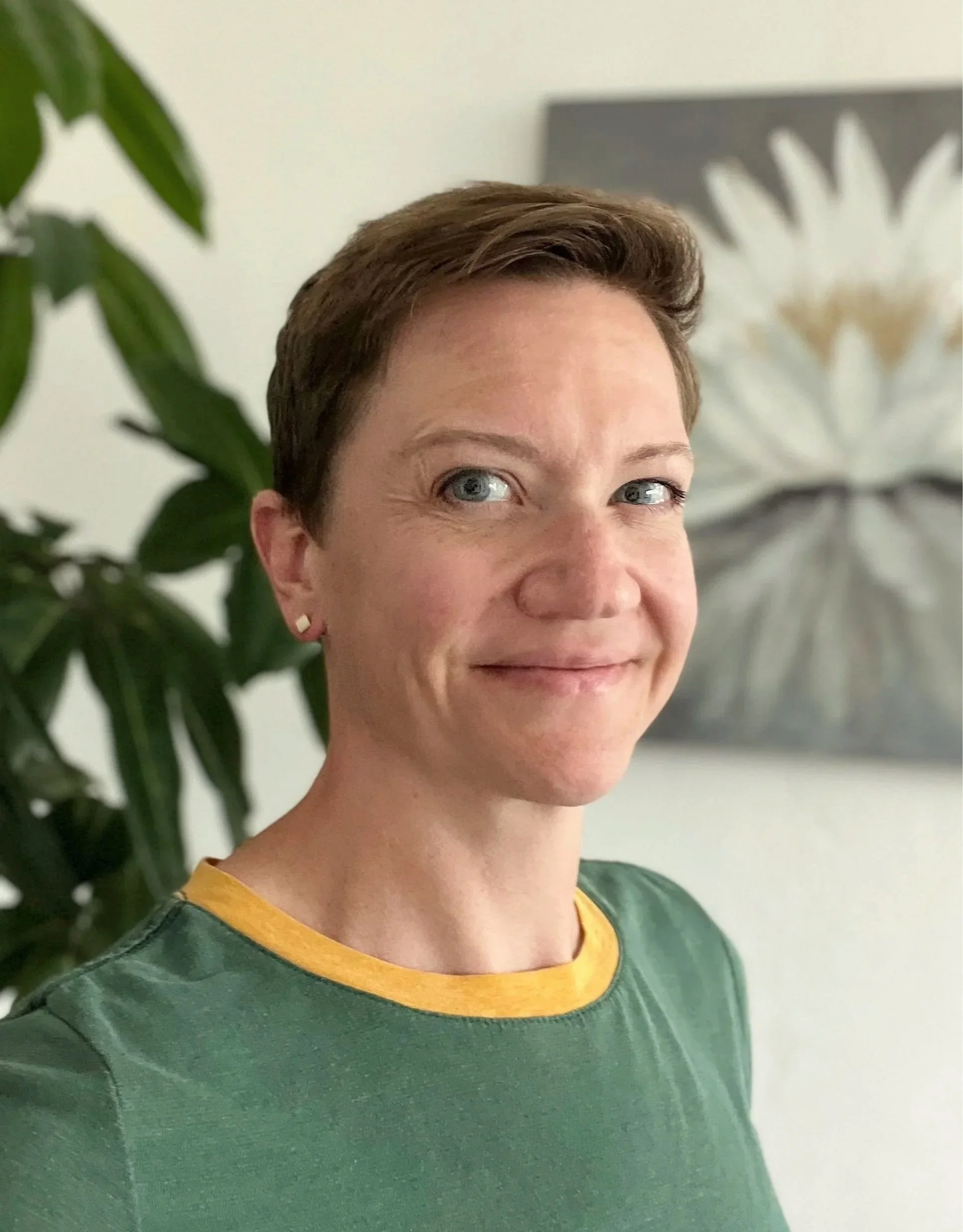
I'm Alex (they/them), a Licensed Professional Counselor in Denver. Many of the people I work with are autistic, ADHD, or both, so shaping therapy around the way someone takes in the world is an ordinary part of how I practice. I'll check in with you about what's helping as we go, and we'll keep to a pace your nervous system can settle into.
Start with a conversation
A free 20-minute consultation is the first step. If phone calls take a lot out of you, you can pick a time online, and we can use the call to talk about what you’re carrying and how you’d like the work to feel.
FAQ
-
No. Self-identification is welcome here, and we can work together whether or not you’ve been formally evaluated. If you’d like an evaluation at some point, I can point you toward people who do them.
-
No. If the label fits and feels true, it stays. Trauma work here sits alongside your neurodivergent identity, and both can be true at the same time.
-
Many neurodivergent people have spent time in therapy built for a different kind of mind, with vague questions, unspoken expectations, or advice to just try harder. I’ll say plainly what we’re doing and why, check in about what’s working, and adjust the format when something isn’t.
-
Often, yes. Some neurodivergent people find a longer, focused block easier than a weekly hour that ends just as they’ve settled in. We’d look at fit together in the consultation.