
Queer and trans affirming therapy in Denver
You don’t have to explain yourself here
This is a place where your identity is warmly celebrated and always respected, whether it’s the center of our work together, or simply the given.

Being queer is not a mental health problem.
If you're here, it's because you deserve real support without having to wonder if someone gets it.
The emotional weight of being queer in our current world
You carry the exhaustion of years spent scanning every room for safety before you can let yourself be seen. For a lot of queer and trans people, that scan is so automatic it barely registers anymore, but it takes a toll.
You might be navigating identity, transition, or the ongoing process of understanding yourself more fully. Maybe you’re weighed down by carrying things that are hard to understand: old wounds from family, religion, or relationships that didn't have room for who you are; the emptiness of being within queer community and still feeling quietly alone inside it.
Or, queer identity might not be what brings you to therapy at all, it's just part of who you are, and you need a space where you don't have to be careful about it.
All of that belongs here.
What we might work on together
This is a partial list. Your experience will shape what actually matters most.
Coming out at any stage of life, including later in adulthood
Gender identity, gender expression, and transition in any sphere: social, physical, or otherwise
The effects of family rejection, religious trauma, or experiences of being excluded or erased
Relationships with yourself, partners, and community
Polyamory and ethical non-monogamy, including opening a relationship or navigating several at once
The exhaustion of chronic self-monitoring
Anxiety, depression, neurodivergence and other struggles that often travel alongside identity stress
Healing from relationships that didn't honor who you are
You don't have to show up performing anything. You can be as you are.
Looking for peer support or community resources between sessions, or before you're ready for therapy?
Support for gender affirming care
I wholeheartedly believe in gender-affirming healthcare and am guided by the WPATH Standards of Care. I'm committed to upholding professional standards without gatekeeping, and to advocating for ethical, collaborative, and respectful care for gender diverse clients.
If you're exploring gender-affirming medical care and need support, reach out through the contact page and we can talk about what that looks like to you.
How we do the work
My primary modalities are EMDR (Eye Movement Desensitization and Reprocessing) and Internal Family Systems (IFS), alongside DBT and mindfulness-based approaches. I chose them for this work deliberately. Talk therapy reaches a lot, but some of the hardest experiences that queer and trans people carry show up in ways that just thinking and talking don’t often heal: the bracing, the holding back, the scan-the-room vigilance that became background noise years ago.
EMDR is a well-researched trauma treatment that helps the nervous system finish processing what it's been holding, and it doesn't require retelling painful memories in detail to work.
IFS gives us a respectful way to get to know the parts of you that learned to protect you, sometimes at great cost, without criticizing them for how they did it. Especially for people whose protective parts formed around hiding, that respect is not optional, and it won’t be rushed.
About me
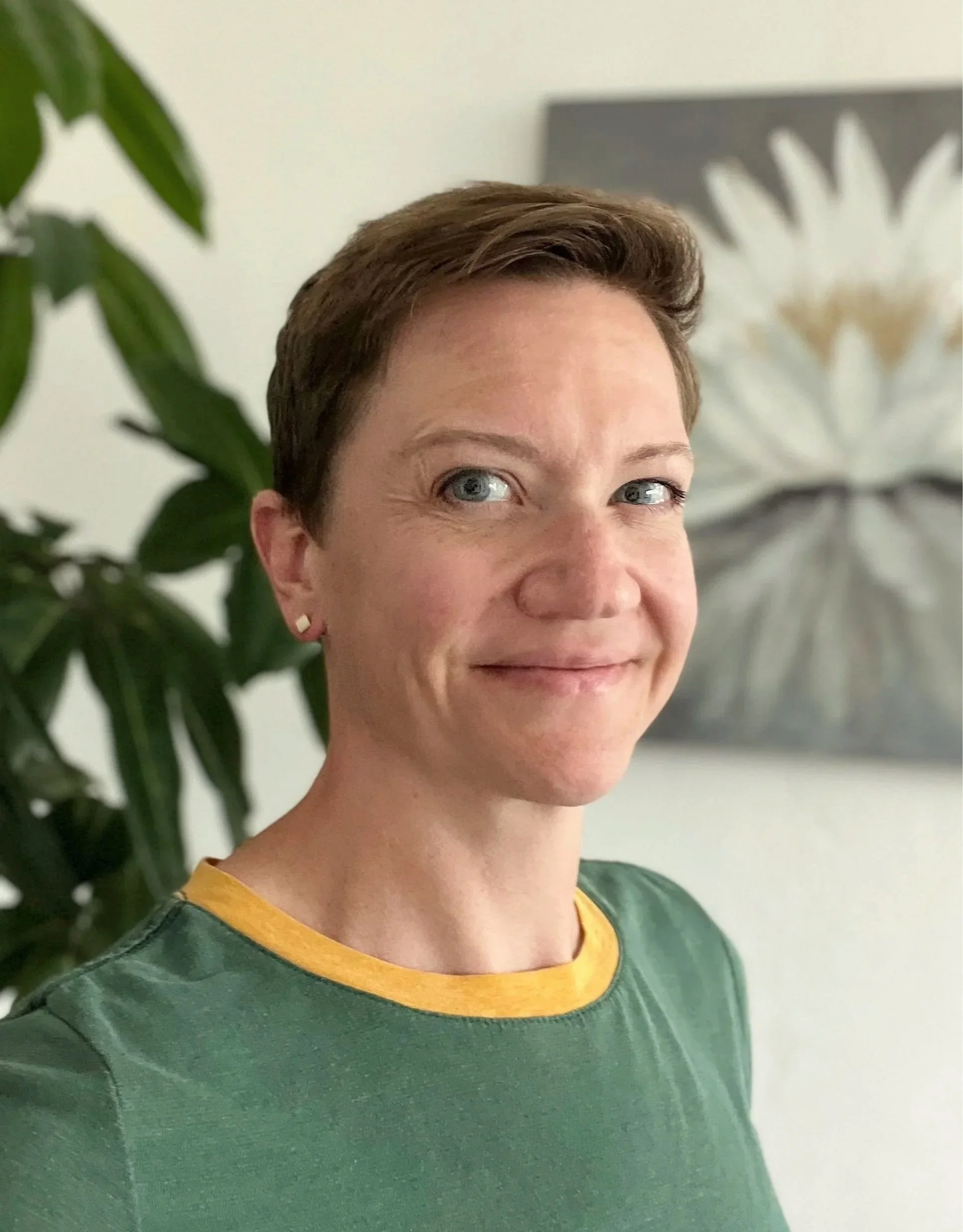
I’m Alex (they/them), and queer & trans-affirming care is personal to me. I came to this work through my own experience of healing, and I know what it’s like to look for support that actually meets you where you are. You won’t have to educate me, defend or explain your identity, or wonder if I’m quietly making assumptions. We can get to the actual work.
You deserve support that actually meets you where you are
A free consultation is the first step. There are no forms or commitments, just a conversation to see if we’re a good fit.