
EMDR intensives in Denver
For the work that goes at your pace
Intensives are custom therapy blocks for deeper work
Weekly therapy is often the place where healing happens, but sessions aren't built for sustained processing with well-timed rest breaks. Instead, you have an hourly block, and your break lasts a week. Memory reprocessing has its own arc: settling in, going to the memory, processing it through, and coming all the way back out. An intensive provides a different structure for trauma work; it gives you time to follow through the arc of memory reprocessing in one sitting, with enough rest to stay calmly in the work without being overwhelmed. Many clients who benefit from intensives are in weekly therapy they value, and come for this one focused piece of work.
What to expect
This is a concentrated course of trauma therapy, not just a long session. The research on intensive trauma treatment is consistent on this point: what works is the whole structure, with genuine preparation before the processing day, and structured follow up after it. My intensives are either half-day or full-day, and the full intensive includes all of the following:
A free 20-minute consult. We make sure the format is right for you before anything is scheduled.
Two to three preparation sessions (60–90 minutes each, in person in Denver or online). Your history and goals, a careful look at readiness, and the groundwork that makes the processing day work well. Importantly, every part of you gets to weigh in on whether or not we move forward, including the parts that are wary. IFS (parts work) helps us make sure nothing gets opened on the processing day that we haven't prepared for together. The first of these is a screening session, billed separately.
A processing day, in person or online. Extended, unhurried EMDR work with real rest breaks built in. You’re able to spend some quiet time, nourish, or head outside and move a bit during the breaks. This is an important, evidence-based part of the method.
Two integration sessions (about one week and one month after). The healing work settles down, but changes can still happen after the processing day ends and you won’t have to make sense of that alone. We will track progress and address any roadblocks. We’ll also make a plan to ensure the positives make the transition from tentative to real, lasting change.
When an intensive may be a good fit

You've done therapy that gave you skills you use. It’s natural to try to work around what still feels stuck after you understand your patterns, but often there are a few specific memories that just need focused reprocessing time.
Your schedule, energy, or processing style doesn't fit neatly into weekly sessions. You'd rather go deep in fewer, longer sittings.
Something is coming, a move, a transition, a family event, a decision, and you want to do real work on what it's stirring up before it arrives.
You're already in weekly therapy you value, and you and your therapist agree a focused EMDR block could unblock something your regular work keeps circling. (Your therapist stays your therapist. I support you through the EMDR piece and you get to do the integration within that trusted relationship.)
Intensive work isn't right for everyone, or for every season. Extended processing asks a lot of your nervous system, and part of my job is making sure we don't ask before you're resourced enough to answer. The preparation sessions include formal screening, and we'll look together at the current strengths and challenges. Some situations call for adjustments to the format or for weekly work first, with me or someone else. If that's true, I'll say so plainly, help you find it, and refund your deposit in full. The goal is to support your healing and connect you to the work that actually serves you.
Complex trauma, queer and trans lives
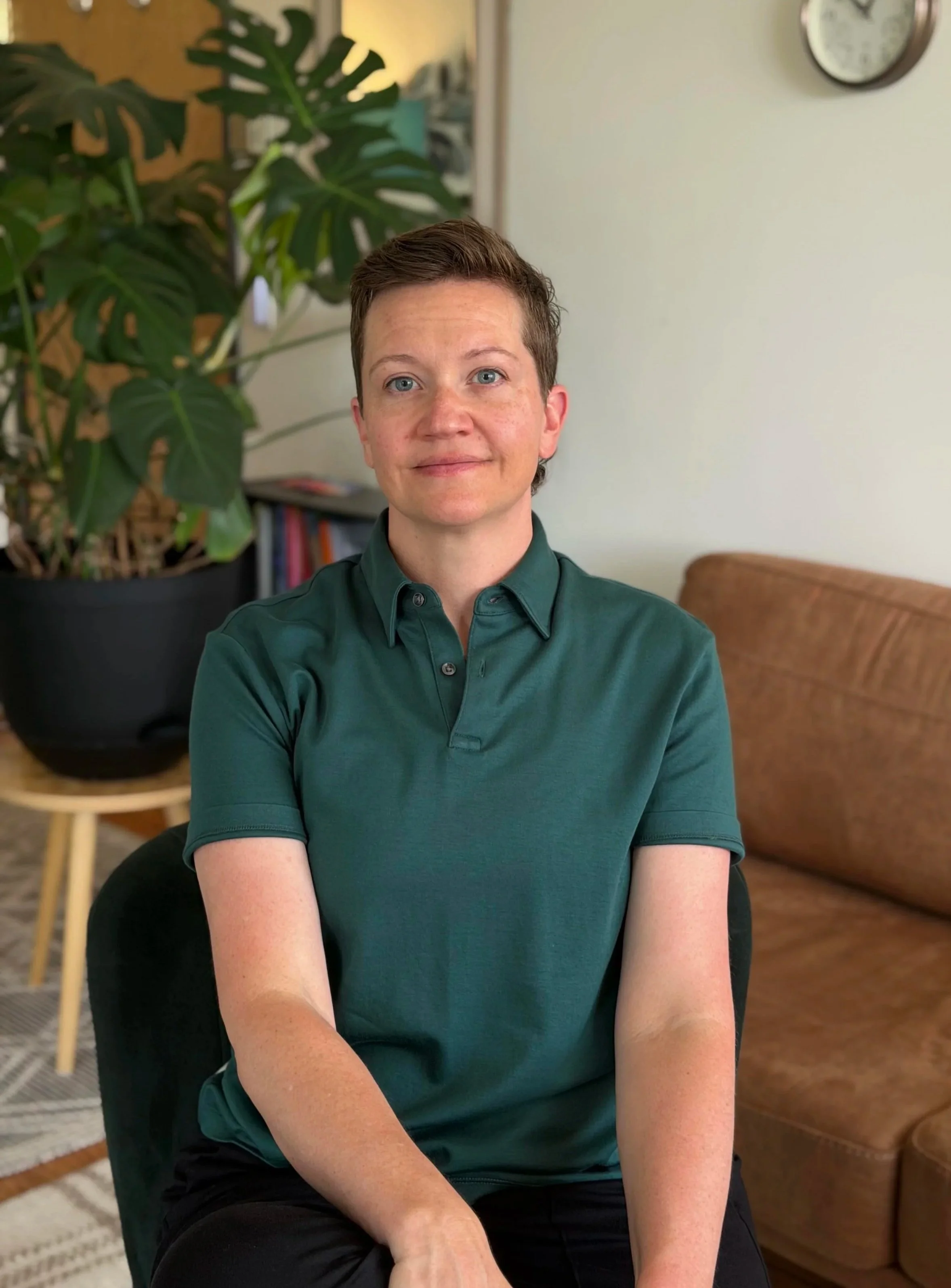
My practice exists at the intersection of complex relational trauma and queer and trans identity, because for so many of us they aren't separate stories. The intensive format is a custom, focused therapy that honors the need for deeper work, the types of stressors and trauma that we carry for years as background noise, and differences in processing styles that can sometimes make weekly therapy difficult.
You won't spend your processing day explaining your identity or relationship style, and you won’t have to mask. When you feel safe and understood, extended sessions can go as deep as they're built to go.
Investment
Intensive work comes in two containers, intended to respond to the work needed, rather than to one standard package. Here, you can see what's inside each option.
A half-day intensive is $950, and includes:
A three-hour processing day, with a real break in the middle
One integration session about a week later, to help settle and close down the work
It begins with a 90-minute preparation and screening session, $300, billed separately. That’s where we build the resourcing you’ll practice and draw on during processing, and make sure this format is right for you.
This is often the right size for one specific memory or a well-defined piece of stuck work, and it's also a good way to learn how your system responds to the extended format before committing to more.
A full intensive is $2,400, and includes:
One or two further preparation sessions after screening
Formal assessment using standardized measures
Your full processing day
Two integration sessions afterward
Outcome measurements at the end, so you can see your progress rather than have to guess at it
It begins with a screening session, $300, billed separately.
This holds roughly three months of weekly therapy in one concentrated course.
A 50% deposit reserves your dates. If screening shows the format isn't right for you, your deposit is refunded in full.
The screening session is billed on its own, at $300, because it’s a full clinical session whichever way we decide. If we decide together not to go ahead, it’s the only charge.
HSA/FSA cards are accepted.
Intensives are self-pay and aren’t covered by insurance, so nothing about your intensive is shared with an insurer. If your plan is one I’m in network with, please mention it when we talk, and we’ll go over what that means before you start planning around an intensive.
You'll receive a Good Faith Estimate of costs as part of your intake paperwork, in accordance with the No Surprises Act.
If you're not sure which container fits, that's exactly what the free consult is for. Most people don't know the size of the work until we've talked it through, and there's no obligation to book anything on that call.
For therapists
A meaningful part of my practice is supporting therapists doing their own work. This format offers one protected day instead of a weekly slot your schedule can't spare, with a clearly boundaried container and a clinician who specializes in the complex, relational trauma so many of us in this field carry. Queer and trans clinicians, crisis clinicians, the busy, the ones who show up for everyone else; you are especially welcome here.
Start with a free 20-minute consult. We'll talk about what you're carrying, whether an intensive fits it or whether weekly work would serve you better, and what the path would look like either way.
Wondering if this is the right container for your work?
FAQ
-
Yes. Intensive trauma-focused treatment, including intensive EMDR specifically, has been studied in clinical trials, including with complex trauma. The consistent findings: outcomes equal to months of weekly therapy, no evidence that the concentrated format makes people worse, and much lower dropout. I'm glad to share the studies; ask in the consult.
-
Then that part gets a say. Literally. The preparation sessions draw on Internal Family Systems work, so before we process anything, we get to know the parts of you that protect you, and nothing is targeted without their agreement. Processing days go better when nobody inside is being dragged along.
-
No. EMDR works without narrating your history in detail. It’s part of why extended sessions are tolerable in a way people don't expect.
-
The preparation sessions and the processing day can be in person in Denver or online anywhere in Colorado. You must be located in Colorado for us to work together.
-
Yes, that's a common and often ideal arrangement. See "For therapists" above; I'm glad to coordinate with them.
-
Then we work at the level you are ready for. Resourcing and stabilization are legitimate intensive work, not a failure of it. Collaborative pacing is part of the method, and that's stated in your consent paperwork up front. A processing day starts with a check-in and proceeds only with your consent, on the day, every time.
-
It’s the same method in a different container. Reprocessing a memory takes the time it takes, and a weekly hour sometimes means pausing mid-arc and picking the thread back up the next week. That works just fine and is how most EMDR is done. An intensive is different because it lets one piece of work run start to finish in a single sitting. Whether that difference matters for you depends on what we're targeting; it's part of what we sort out in the consult.